Discover Mindful Living Through Self Care GreenHeal Guide
Discover mindful living through self care GreenHeal guide brings a fresh perspective to balancing modern life with inner peace. Mindful living means being intentional about every moment, while self-care ensures your physical and emotional needs are met. When combined, they create a holistic approach to wellness that transforms stress into clarity and everyday habits into meaningful rituals. GreenHeal emphasizes sustainable practices, natural remedies, and conscious choices that help you build resilience. This guide will explore proven techniques, from mindfulness exercises to personalized self-care routines, offering you a roadmap to sustainable well-being.
What Is Mindful Living? Core Principles for Everyday Awareness
Mindful living is the practice of paying attention to the present moment with awareness and acceptance. Instead of rushing through life on autopilot, you slow down and notice your thoughts, feelings, and surroundings. Principles such as presence, gratitude, compassion, and non-judgment become the foundation of daily life. These values help you approach situations with clarity rather than impulsive reaction, reducing stress and enhancing balance.
In practical terms, mindful living might involve savoring each bite of food, journaling emotions, or unplugging from digital noise. These small shifts transform ordinary activities into grounding experiences. When practiced consistently, mindfulness strengthens your ability to navigate challenges with patience and confidence. By aligning with self-care, mindful living supports emotional resilience and physical wellness. It’s not about escaping reality it’s about embracing it fully, creating a deeper sense of purpose in everyday routines.
Why Self-Care Is the Engine of Mindfulness (Science-Backed Benefits)
Self-care is not about luxury; it is about survival and sustainability. Without proper rest, nourishment, and emotional check-ins, mindfulness practices can feel incomplete. Scientific research confirms that self-care activities lower cortisol levels, improve focus, and enhance mood regulation. When your body and mind are cared for, it becomes easier to remain present in the moment. This creates a strong foundation for mindfulness, ensuring it isn’t just a temporary escape but a lasting lifestyle.
From the GreenHeal perspective, self-care energizes mindfulness by restoring physical and mental balance. Activities such as mindful walking, stretching, or deep breathing renew your energy and sharpen awareness. Instead of forcing mindfulness, you flow into it naturally because your body is ready to cooperate. Consistent self-care transforms mindfulness into an accessible practice you can rely on during stress. Together, they form a partnership where care fuels presence, and presence deepens care.
Discover Mindful Living Through Self Care GreenHeal Guide: Natural Remedies, Movement, and Mindset
GreenHeal promotes a holistic approach to mindful living that goes beyond surface-level routines. Natural remedies such as herbal teas, aromatherapy, and plant-based nutrition are recommended to restore the body’s rhythm and ease stress. These remedies are gentle yet effective, aligning with traditional wisdom while being adaptable to modern lifestyles. By reconnecting with nature’s resources, you can experience deeper healing and grounded self-care.
Movement is equally important in GreenHeal’s philosophy. Practices like yoga, tai chi, or simple mindful walking connect body and mind while improving flexibility and strength. Complementing this is a focus on mindset, where positive affirmations and reframing negative thoughts become daily tools. By weaving remedies, movement, and mindset together, GreenHeal provides a framework that nurtures the whole person. This balance ensures that self-care and mindfulness become integrated, holistic, and sustainable practices in daily life.
Build a Sustainable Self-Care Routine: Tiny Habits, Big Results
One of the biggest challenges in self-care is sustainability. Many people begin with enthusiasm but struggle to maintain consistency. GreenHeal suggests starting small by incorporating tiny, meaningful habits. For instance, meditating for just five minutes daily or drinking extra water in the morning may seem small, but these habits build momentum. Small steps create less resistance, making it easier to turn them into long-term practices.
Over time, these habits grow into transformative routines. A simple breathing exercise can evolve into a full meditation practice, and mindful eating can reshape your relationship with food. Tracking progress and rewarding small wins helps maintain motivation. The key is to view self-care not as an occasional treat but as a daily necessity. GreenHeal’s approach highlights that consistency matters more than intensity, and even the smallest mindful actions can create life-changing results over time.
Mindfulness Exercises for Busy People: 1–5 Minute Practices
Many people believe mindfulness requires hours of meditation, but short practices can be just as powerful. Even one minute of mindful breathing can calm the nervous system and reset your focus. Busy professionals can try pausing between tasks, closing their eyes, and noticing five deep breaths. Another simple option is practicing mindful listening paying full attention to the sounds around you without judgment. These small moments help anchor awareness throughout the day.
GreenHeal emphasizes that mindful exercises should fit into your schedule, not disrupt it. A five-minute body scan before bed, mindful stretching after waking, or simply observing nature during a break are all quick yet effective practices. These exercises reduce stress and increase clarity, proving that mindfulness is achievable even with limited time. By weaving short routines into busy days, you create consistency and make mindful living practical, approachable, and sustainable.
Breathwork, Meditation, and Body Scan Techniques for Calm
Breathwork is one of the most accessible mindfulness tools. Focusing on inhaling deeply and exhaling slowly reduces stress and promotes relaxation. Meditation builds upon this by training the mind to stay present, whether through focusing on the breath, a mantra, or guided visualization. Body scans take mindfulness further, directing attention to each part of the body, releasing tension and creating awareness of physical sensations.
GreenHeal recommends combining these practices into a toolkit for daily calm. For example, starting the morning with three minutes of breathwork, adding a short midday meditation, and ending the day with a body scan creates balance throughout. These methods do not require special equipment, only intention and consistency. When practiced regularly, they rewire the nervous system to respond more calmly to challenges. This trio breathwork, meditation, and body scans becomes a foundation for cultivating lasting mindfulness.
Mindful Eating & Gut Health: Food Rituals That Support Clarity
Mindful eating transforms meals into opportunities for awareness and nourishment. Instead of rushing, you slow down, savor flavors, and notice textures. This practice encourages healthier food choices, better digestion, and greater appreciation for what you consume. It also prevents overeating by helping you listen to your body’s hunger and fullness cues. Mindful eating connects directly to gut health, which plays a vital role in mood and clarity.
GreenHeal highlights rituals such as eating in silence, expressing gratitude before meals, and choosing whole, natural foods. Incorporating herbs, probiotics, and hydration further supports digestive balance. When your gut is healthy, your mind becomes clearer, and stress levels decrease. Mindful eating is not about restriction; it is about presence and respect for your body’s needs. By treating food as medicine and ritual, you align nutrition with mindfulness, fostering long-term physical and mental wellness.
Design a Mindful Home: Spaces, Rituals, and Digital Detox
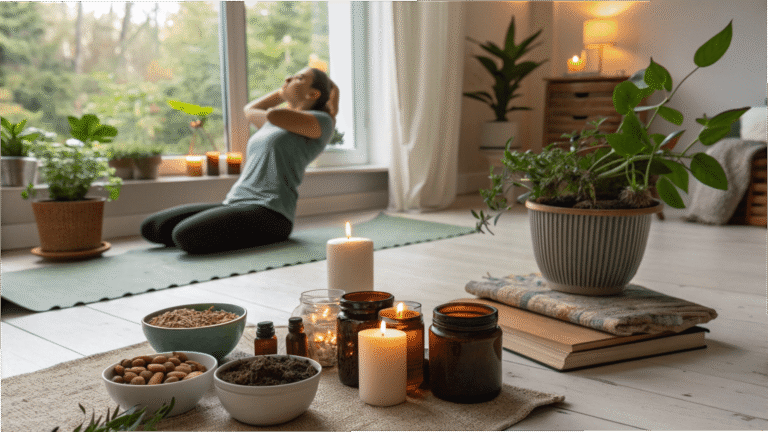
Your environment plays a powerful role in your state of mind. A mindful home is designed to reduce stress and invite calm. Simple steps such as decluttering, adding plants, or creating a quiet corner for reflection can transform your living space into a sanctuary. Lighting also matters soft, natural light supports relaxation, while harsh brightness can cause tension. Rituals like lighting a candle before meditation or keeping a gratitude journal by the bedside make your home a supportive environment.
GreenHeal also emphasizes digital detox as part of mindful home design. Reducing screen time before bed, keeping phones out of the bedroom, and designating tech-free zones allow you to reconnect with yourself and loved ones. Your home then becomes a space of presence rather than distraction. A mindful environment doesn’t require luxury it’s about intentional choices that align your surroundings with peace and balance.
Sleep, Stress & Recovery: Restorative Self-Care You Can Track
Sleep is the foundation of recovery, yet it is often neglected. Mindfulness can help improve sleep by calming the mind before bed. Practices like journaling, gentle stretching, or body scans signal the body to relax. Quality sleep not only reduces stress but also restores energy and boosts mental clarity. Without proper rest, even the best self-care practices lose effectiveness.
GreenHeal encourages tracking your sleep and recovery through simple logs or apps. Observing patterns helps you identify habits that improve or disrupt rest. Stress management techniques such as evening breathwork, herbal teas, or digital detox also enhance recovery. By treating sleep as a non-negotiable part of self-care, you allow your body to heal and prepare for mindful living. Rest becomes an act of self-love, ensuring balance between activity and stillness.
Movement for Mindfulness: Yoga, Walking, and Everyday Mobility
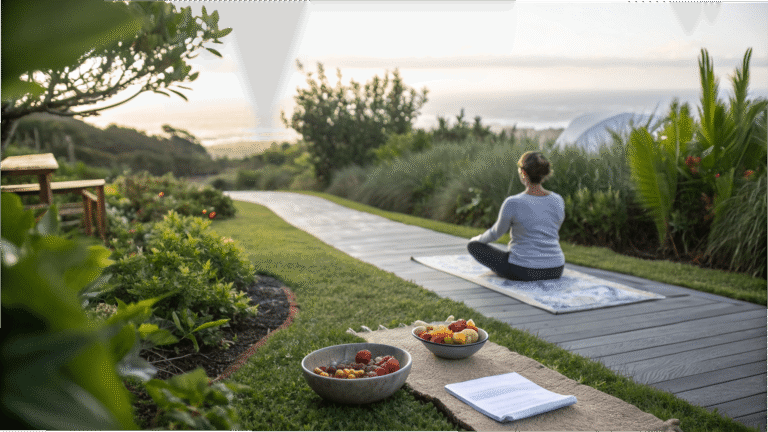
Mindful movement is a way to bring awareness into physical activity. Yoga, for example, combines breath with posture, creating both strength and inner calm. Walking meditation offers another accessible practice simply focusing on each step, the rhythm of breathing, and the sensations of the ground beneath your feet. These activities align the body and mind, turning ordinary motion into intentional practice.
GreenHeal advocates viewing all movement as an opportunity for mindfulness. Stretching at your desk, climbing stairs with awareness, or even washing dishes with focus can become grounding experiences. Rather than seeing movement only as exercise, it becomes a daily ritual that fosters presence. This perspective reduces stress, improves flexibility, and deepens the mind-body connection. By incorporating mindful movement into daily routines, you create space for both physical health and inner peace.
Journaling & Reflection: Check-Ins, Prompts, and Progress Logs
Journaling is a powerful tool for mindfulness and self-care. Writing down your thoughts, emotions, and experiences allows you to slow down and reflect. Daily check-ins, such as noting what you are grateful for or identifying challenges, create clarity. Prompts like “What made me feel calm today?” or “Where did I notice stress in my body?” guide deeper self-awareness. Journaling transforms fleeting thoughts into insights, helping you track patterns and progress over time.
GreenHeal recommends using reflection as a way to measure growth in mindfulness and self-care practices. By keeping progress logs, you see how small habits add up to meaningful changes. Journaling also acts as a release, reducing mental clutter and providing emotional relief. Whether you prefer a physical notebook or a digital app, the act of reflection strengthens presence. This practice builds resilience and ensures that mindfulness becomes a consistent part of life.
Nature-Powered Self-Care: Sunlight, Green Time, and Grounding
Nature is one of the most effective healers, offering calm, perspective, and renewal. Spending time outdoors even for just 15 minutes reduces stress hormones, improves mood, and sharpens focus. Simple practices like walking barefoot on grass, basking in sunlight, or sitting quietly under a tree foster a sense of connection and balance. These experiences remind you of your place within the larger natural world.
GreenHeal emphasizes the role of grounding, where physical contact with nature restores energy and reduces anxiety. Whether it’s gardening, hiking, or simply opening windows for fresh air, these rituals reconnect you with simplicity. Sunlight regulates circadian rhythms, improving sleep, while green spaces promote mental clarity. By weaving nature into your daily self-care, you tap into a timeless resource for wellness. It is a reminder that mindful living often begins with stepping outside.
Community & Accountability: Support Systems That Make Habits Stick
Mindfulness and self-care thrive when supported by community. Sharing your journey with friends, family, or a like-minded group creates accountability. Support systems encourage consistency, making it easier to maintain routines during challenging times. Whether it’s attending a meditation circle, joining a wellness program, or checking in with a trusted friend, connection strengthens commitment.
GreenHeal highlights the importance of accountability partners who remind you of your goals and celebrate your progress. Community also provides inspiration by sharing diverse practices and perspectives. When mindfulness becomes a shared experience, it feels less like a personal struggle and more like a collective journey. Support systems help transform mindful living into a lifestyle, not just an individual effort. With encouragement and accountability, your self-care practices gain structure and sustainability, making long-term transformation possible.
2025 Trends in Mindful Living & Self-Care: Digital Detox, Tech Balance, and AI Wellness
As we move into 2025, mindful living is evolving to meet the challenges of a hyperconnected world. One major trend is the rise of digital detox practices, where people set intentional boundaries with technology. Taking screen-free hours or weekends reduces stress and creates space for deeper presence. Another trend is balancing technology rather than eliminating it using mindful apps, guided meditations, and wearables that promote awareness rather than distraction.
AI wellness tools are also becoming part of modern self-care. From personalized meditation recommendations to stress-tracking devices, technology can now guide healthier habits. GreenHeal encourages embracing tech mindfully: using it as a supportive tool without letting it dominate your life. These trends show that mindful living in 2025 is about balance—leveraging innovation while staying rooted in natural, intentional practices. The future of self-care will blend tradition with technology to support holistic well-being.
FAQs
What does “mindful living” really mean?
Mindful living is the practice of staying present and aware in daily life, making intentional choices instead of running on autopilot.
How is GreenHeal different from other self-care guides?
GreenHeal emphasizes a holistic approach, combining natural remedies, mindful movement, and mindset practices for long-term balance.
Can I practice mindfulness if I only have a few minutes a day?
Yes, short practices like mindful breathing, stretching, or body scans are highly effective and easy to integrate into busy routines.
Why is self-care essential for mindfulness?
Without self-care, the body and mind lack the energy to sustain awareness. Rest, nutrition, and recovery make mindfulness more effective.
What are some beginner-friendly GreenHeal practices?
Start with mindful eating, a five-minute meditation, journaling daily reflections, and spending time in nature for grounding.
Conclusion
Discover mindful living through self care GreenHeal guide is not just about routines it is about transformation. By combining mindfulness with holistic self-care, you cultivate resilience, clarity, and balance in a fast-paced world. Practices like mindful eating, journaling, nature time, and sustainable habits offer practical pathways to wellness. GreenHeal’s framework reminds us that healing comes from aligning the body, mind, and environment. This journey is not about perfection but about presence. Each small act of care whether through movement, reflection, or community support builds toward a life of intention. By embracing these practices, you create a roadmap where wellness feels natural and sustainable. Mindful living becomes less of a concept and more of a way of being, supporting long-term health and happiness.
Related Post: